

Our latest edition of the guide to interior design terms is here to help you learn more of the styles and techniques you may encounter as you shop for new furniture and design items to change the look and feel of your home. Understanding what each design style typically involves and the techniques used to make certain elements stand out can help your home become a beautiful oasis.
Minimalist design uses simple fabrics and straightforward design to create an orderly, clean home. Colors are typically muted and light is used to emphasize the natural beauty of the architecture and the textures in the home. With geometric shapes and natural finishes, minimalist furniture often draws from Scandinavian design to create beauty out of the ordinary.
The Baroque style is the antithesis of the minimalist aesthetic, with lush, ornate furniture, plush fabrics and precious metals prominently featured. Columns and elaborate decor features, like fountains, help to distinguish Baroque homes.This style first took hold in Europe as royals and well to do families wanted to display the wealth they had while welcoming friends and visitors. Modern homeowners use it to create a rich, traditional look that complements a large home with upgraded surfaces.
Ergonomic design first gained popularity in commercial spaces, as businesses tried to find ways to make workspaces more comfortable and efficient for employees. As time goes on and more people work remotely from a home office, ergonomic design is now of interest to many kinds of shoppers. Chairs and desks that help the body stay comfortable can greatly improve the quality of day to day life.
Inspired by the colorful tiles and traditional shapes of the Mediterranean region, design elements from this style tend to have intricate patterns and fine details done by hand. With Spanish, Grecian and Italian influences, the colors popular in these designs tend to come from nature, like the deep blues of the sea and sky, and the burnished white of the beach sand.
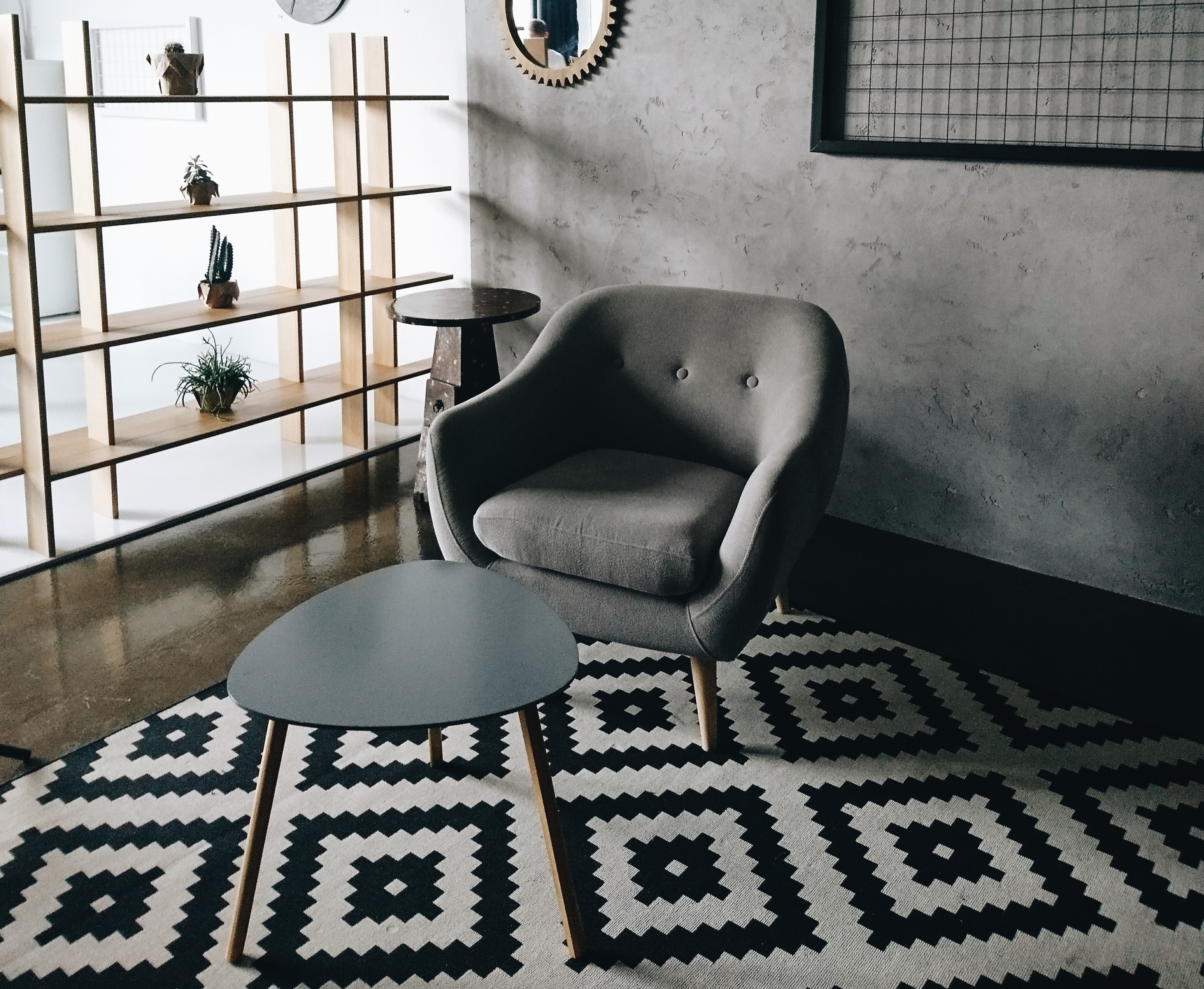
Taking its name from the time period it originated in, mid-century modern design is easily recognizable thanks to the clean, simple lines and distinctive shapes. Open floor plans and large windows allow plenty of light, which is crucial to the end goal of bringing nature inside. Timeless and chic, mid-century modern furniture uses simple lines and clean accents to complement any style of home.
If you’re looking for the best quality furnishings that offer these interior design features to make your home come to life, Ivy Interiors can help. Visit us to find all the furniture and artwork you need to match your design style and get answers to any questions you have about interior design terms.